The Best Time to Visit Lembeh
Lembeh Strait, located in North Sulawesi, Indonesia, is a renowned scuba diving hotspot, attracting divers with its exceptional marine biodiversity. This region offers some of the most unique underwater experiences, from mimic octopuses to pygmy seahorses. However, the timing of your visit can greatly influence your experience. Weather conditions, marine life availability, and water visibility all vary throughout the year.
Here’s a detailed guide on the best times to dive in Lembeh.
1. Weather Conditions in Lembeh
Lembeh has a tropical climate with consistent warmth year-round. However, the region experiences two main seasons:
Dry Season (May to October): The dry season is considered the prime time for diving. During these months, visitors can expect sunny weather, low humidity, and minimal rainfall. Seas are calm, skies are clear, and underwater visibility is at its best, making it ideal for divers.
Rainy Season (November to April): The rainy season brings more frequent showers, especially in the afternoons, although rain is often intermittent. Despite this, diving remains possible. Fewer tourists visit during this period, giving those who do visit a quieter experience. Keep in mind that heavy rains may slightly reduce visibility and cause some dive shops to close temporarily for maintenance.
Best Time for Weather and Diving: From May to October, the combination of great weather and excellent diving conditions makes it the most reliable time to visit.
2. Marine Life and Underwater Events
Lembeh Strait is famous for its diverse marine life, and depending on the season, you may encounter different species.
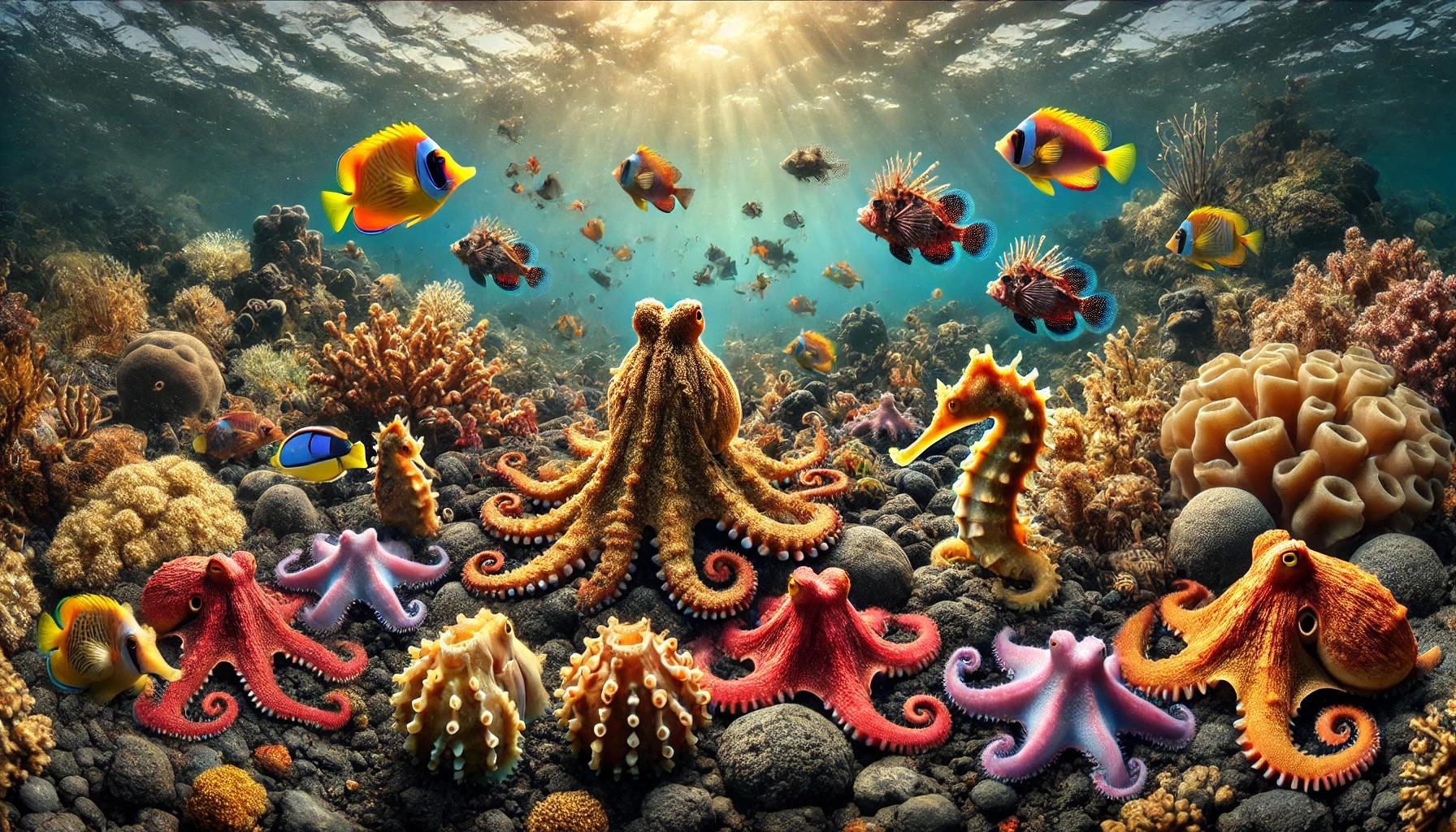
Muck Diving (Year-Round): Known for muck diving, Lembeh offers the chance to explore volcanic seabeds teeming with unique critters. This type of diving is possible year-round, with notable sightings of mimic octopuses, frogfish, flamboyant cuttlefish, and ghost pipefish.
Whale Sharks (November to April): Whale sharks can sometimes be spotted between November and April as they migrate through Indonesian waters. While sightings are not guaranteed, it’s worth inquiring with local dive operators about recent reports.
Manta Rays and Mobula Rays (March to June): Though not as abundant as in other parts of Indonesia, mantas and mobula rays can be spotted in Lembeh from March to June. These rays are typically drawn to the nutrient-rich waters during the transitional months between the rainy and dry seasons.
Pelagic Fish and Seasonal Migrations (May to October): During the dry season, divers may spot large pelagic fish like tuna and barracuda. This period also coincides with seasonal migrations, offering opportunities to observe exciting underwater movements.
3. Insider Tips for Timing Your Trip
Avoiding Crowds: To enjoy a quieter dive experience, consider visiting during the shoulder months, April and October. These months still provide excellent weather and diving conditions but attract fewer tourists. Similarly, the rainy season sees less foot traffic, though you’ll have to be prepared for occasional storms.
Optimal Water Temperature: Water temperatures range from 27°C to 30°C (81°F to 86°F) year-round. This makes for a comfortable diving experience, though divers prone to feeling cold might prefer a thicker wetsuit (5mm) during the rainy season.
Peak Dive Season: June to September is the most popular time for divers. These months offer clear water and active marine life, making it the best time for those seeking top-notch diving conditions.
4. Additional Considerations
Visibility: Underwater visibility in Lembeh typically ranges from 10 to 30 meters (33 to 98 feet), with the clearest conditions occurring during the dry season. Visibility might decrease slightly in the rainy season, but it’s still sufficient for diving.
Dive Operators and Accommodation: Popular dive resorts and operators in Lembeh tend to get booked up during peak season (May to October). It’s advisable to make reservations well in advance, especially if you plan to visit during the high-demand months.
What to Pack: For land activities, pack light, breathable clothing, along with a light rain jacket for the rainy season. For diving, a 3mm or 5mm wetsuit should be adequate. If you feel cold easily, bring your own thicker wetsuit, as rental options may vary.
Conclusion
The best time to visit Lembeh largely depends on your interests. If you seek perfect weather and optimal diving conditions, the dry season from May to October is ideal. For those keen on spotting whale sharks or witnessing seasonal migrations, the rainy season (November to April) offers potential for unique underwater encounters, though visibility may be slightly less clear. No matter when you visit, Lembeh guarantees a memorable diving experience with its fascinating marine life.
To maximize your experience, book with reputable dive shops and accommodations in Lembeh early.